
Lithium vs. Lead-Acid Marine Batteries: Which Option Is Best for Your Boat?
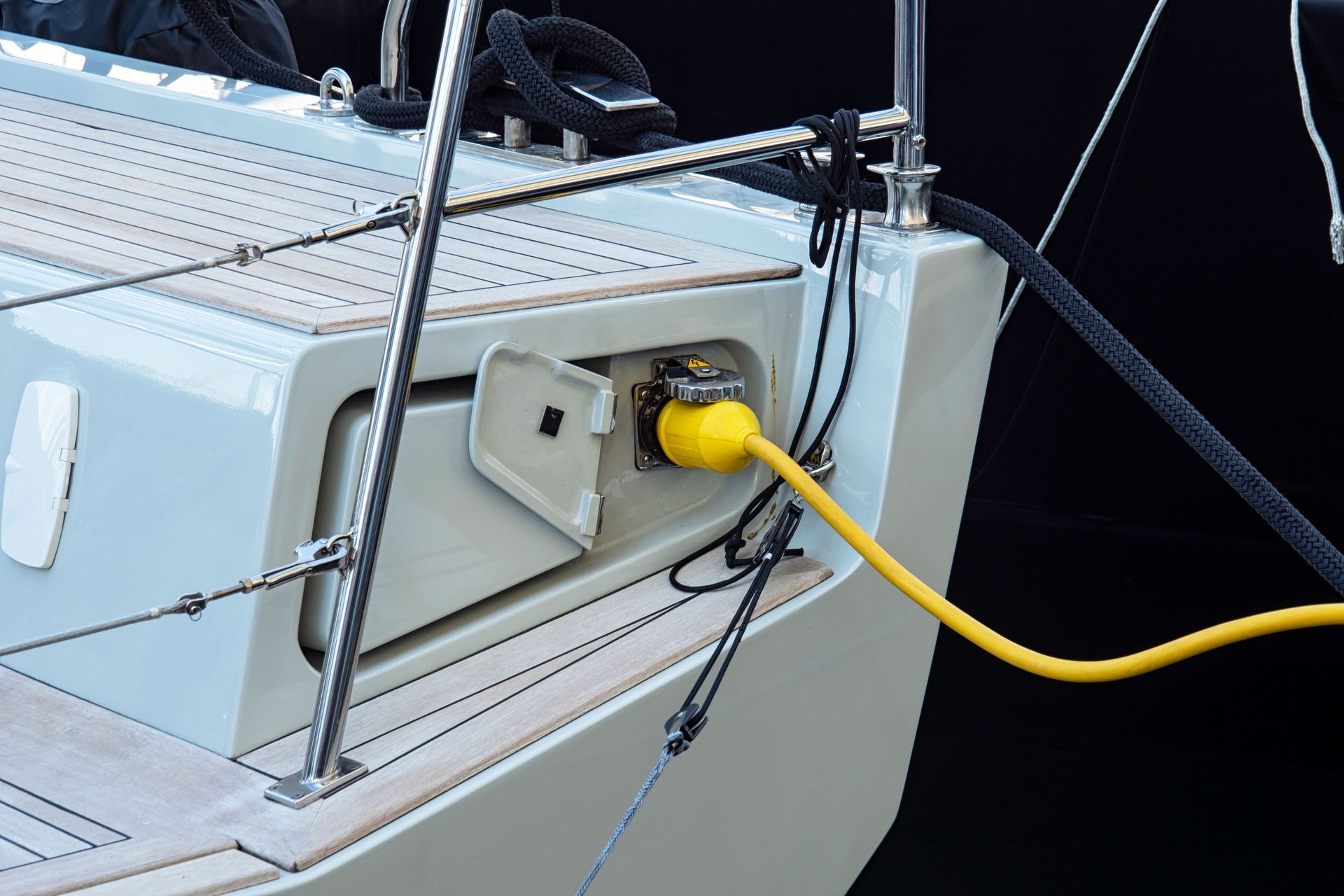
Every boater knows a day on the water depends on the equipment powering the vessel. Whether you are trolling at dawn, cruising a lake, or navigating coastal waters, reliable power is the heartbeat of your boat. For decades, power storage was simple, but today’s boaters face a crucial decision: sticking with traditional technology or upgrading to modern alternatives. Choosing the right marine batteries is essential for optimizing performance and maximizing your boating experience.
Understanding the Rapid Evolution of Marine Power Systems
The marine industry is evolving rapidly. Modern boats are highly sophisticated, equipped with power-hungry electronic gadgets, advanced sonar, high-end marine audio, radar, hydraulic stabilizers, and heavy-duty live wells. This massive shift in how we equip our boats is transforming the landscape and placing unprecedented demands on marine power systems.
According to Fortune Business Insights, the U.S. marine battery market will reach $341 million by 2026, driven by electric vessel adoption.
With this surge in technological innovation and reliance on robust electrical power, understanding your options when shopping for marine batteries is a critical necessity. The primary debate in the boating community today comes down to two major contenders: traditional lead-acid technology and modern lithium-ion technology.
Examining the Tried-and-True Standard of Lead-Acid Technology
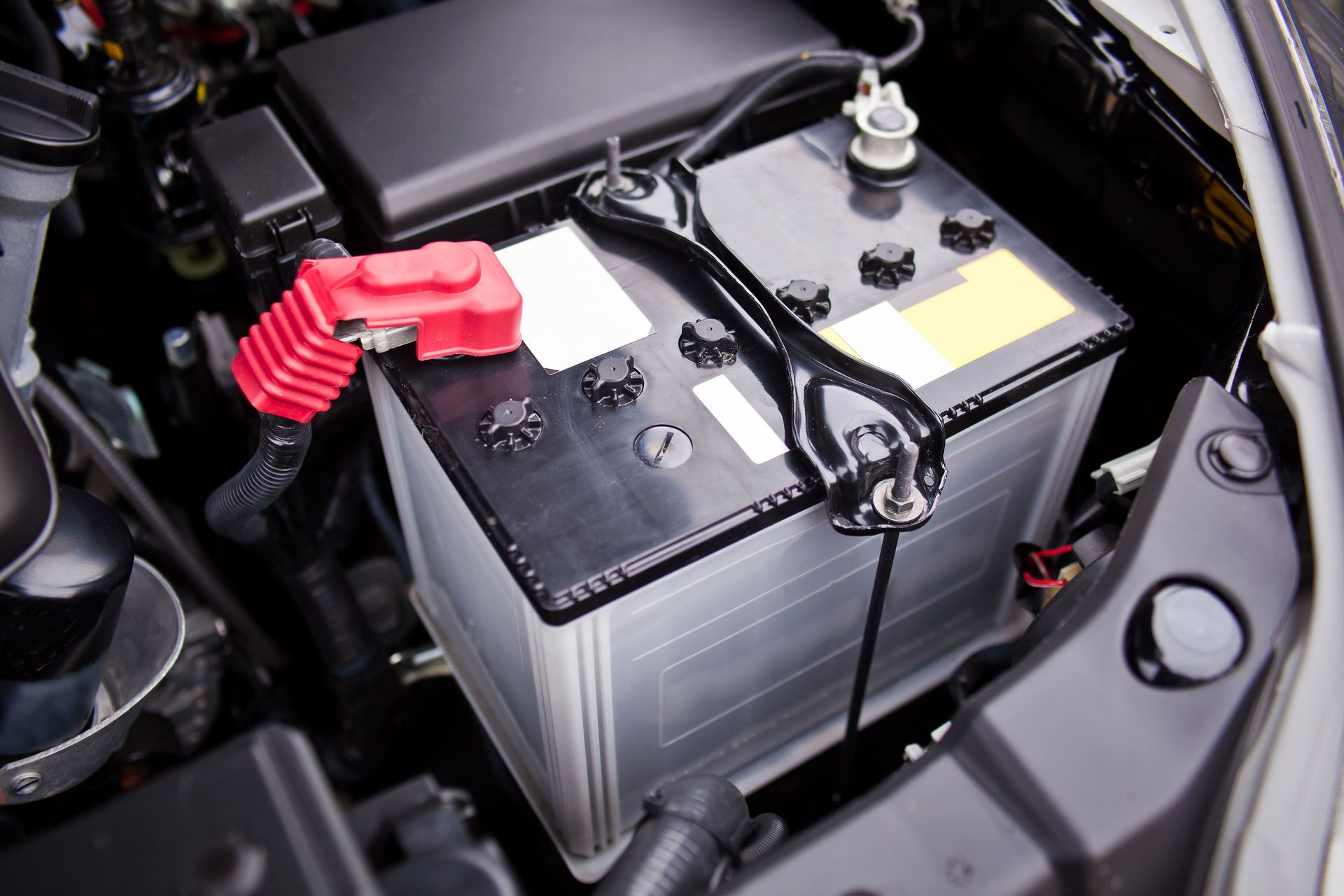
Lead-acid technology has been the reliable standard in both the automotive and marine worlds for over a century. When people think of standard marine batteries, they picture a heavy lead-acid setup. These units generate power through a chemical reaction between internal lead plates and a liquid sulfuric acid solution. They are available in variations, including standard flooded, Absorbent Glass Mat (AGM), and gel cells, split into distinct categories like starting and deep-cycle units.
Because this technology has been around so long, it is widely available. Almost any marina or local auto parts store will have a direct replacement readily on hand if you encounter a failure. They are incredibly reliable for producing short bursts of Cold Cranking Amps (CCA), remaining the go-to choice for starting applications.
However, this older technology comes with drawbacks. First, they are exceptionally heavy. Adding multiple units to power a trolling motor system can severely weigh down your vessel, drastically affecting fuel efficiency and top-end speed. Traditional flooded variations also require regular maintenance, including topping off distilled water levels. Most importantly, lead-acid units should generally not be discharged below 50% of their total capacity. Discharging them deeper regularly can severely damage the cells and drastically shorten their lifespan.
Exploring the Cutting-Edge Innovation of Lithium Chemistry
In recent years, Lithium Iron Phosphate (LiFePO4) technology has revolutionized the boating world. While they are a newer introduction compared to their heavy counterparts, modern lithium marine batteries are quickly becoming the undisputed gold standard for serious boaters, tournament anglers, and off-grid cruisers demanding peak performance.
The benefits of upgrading to lithium are truly staggering. First is the incredible weight reduction. A lithium unit can weigh half or a third as much as a standard lead-acid equivalent with the exact same capacity rating. Shedding dead weight directly translates to significantly better boat handling, a faster hole shot, increased top-end speed, and improved fuel economy.
Second, lithium units provide a beautifully flat voltage curve. This means you get full, consistent power right up until the unit is nearly empty; your trolling motor will not lose thrust as the day drags on. Unlike traditional options, you can safely discharge a lithium setup up to 100% of its capacity without permanent damage. Finally, they require zero active maintenance. Modern lithium setups feature built-in smart Battery Management Systems (BMS) protecting against overcharging and extreme temperatures.
The primary drawback of lithium technology is the upfront cost. These advanced units are significantly more expensive to purchase initially, causing sticker shock for some boaters. Additionally, they often require specific charging profiles. If upgrading an older boat, you might need to invest in a brand-new, lithium-compatible onboard charger, adding another layer to the conversion cost.
Comparing Direct Performance Metrics on the Water
To determine which option is truly best for your vessel, it helps to compare these technologies across the practical metrics that matter most on the water.
Space and weight are always at a premium on a boat. Shedding dead weight by switching to lighter marine batteries can profoundly change how your boat performs in the water. For smaller skiffs or bass boats, this massive weight reduction can increase top-end speed by several miles per hour and allow you to float slightly higher, granting easier access to shallow backwaters.
Usable capacity is exactly where lithium truly outshines traditional lead-acid options. A 100 Amp-Hour (Ah) lead-acid unit realistically only offers about 50Ah of safe, usable power before risking damage. Conversely, a 100Ah lithium unit offers nearly the full 100Ah of usable power safely. This effectively means you can confidently run your trolling motor, fish finders, and pumps twice as long on a single lithium unit.
Furthermore, lithium chemistry naturally accepts incoming charge current much faster and far more efficiently than lead-acid. While a deeply discharged lead-acid system might take 8 to 12 hours of constant charging to fully recover, a comparable lithium setup can very often be brought back to a full 100% charge in just a few short hours, getting you back on the water much faster.
Evaluating Long-Term Value and Lifetime Ownership Costs
While it is tempting to look only at the immediate price tag, the true cost of your marine batteries should be carefully measured over their entire operational lifespan. A standard lead-acid setup might last anywhere from 3 to 5 years, depending heavily on how meticulously it is maintained and how deeply it is discharged. Over a 10-year period, a boater might need to replace a lead-acid setup two or three times.
In sharp contrast, high-quality lithium options frequently boast a lifespan of 10 years or more. They are typically rated to survive anywhere from 3,000 to 5,000 deep charge cycles, compared to the 300 to 500 cycles offered by traditional units. When factoring in the repeated replacement costs, the physical labor of swapping heavy units, and ongoing savings in expensive boat fuel due to weight reduction, lithium very often emerges as the much more cost-effective solution over a decade. It is a smart upfront investment in longevity and exceptional performance.
Making the Right Choice for Your Specific Vessel
So, after reviewing all the facts, which option is truly best for your boat? The honest answer depends entirely on your specific budget and exactly how you intend to use your vessel on a regular basis.
If you are a casual weekend warrior who only takes the family runabout out a few times a summer, or if you simply need a reliable, inexpensive starting battery to crank your outboard motor without breaking the bank, a traditional lead-acid or AGM option is still likely the most practical and economical choice.
However, if you are a highly competitive tournament angler who needs continuous trolling motor power from dawn until dusk, a coastal sailor spending multiple days away from shore power, or a performance boater looking to maximize speed and minimize draft, upgrading to modern marine batteries powered by advanced lithium technology is undoubtedly the superior choice. The massive performance gains, increased usable capacity, and incredibly long lifespan make it a completely worthwhile investment for dedicated marine enthusiasts.
Finding Your Perfect Power Partner Today
Whether you decide to confidently stick with the tried-and-true reliability and affordability of lead-acid, or make the exciting, performance-enhancing leap to the cutting-edge power and longevity of lithium, having a knowledgeable, trusted supplier is the ultimate key to success. We deeply understand that every single boat and every boater is wonderfully unique. Our highly experienced team is completely dedicated to helping you carefully navigate the various options and perfectly find the ideal power solution to keep your vessel running smoothly all season long. We proudly stock a comprehensive variety of top-tier products to suit every need. Contact Art's Auto & Truck Parts Inc today to upgrade your boating experience and confidently conquer the waves with the very best power on the market.


















Share On: