
How to Extend the Life of Your Marine Battery: Charging, Storage, and Maintenance Tips
In this guide, we will explore various strategies for extending the life of your marine battery. A well-maintained battery not only saves money but also ensures your marine adventures remain uninterrupted. We'll look into effective charging methods, proper storage solutions, and essential maintenance tips. Each section will delve into specific aspects critical for maximizing battery performance and lifespan. Ultimately, the aim is to provide you with a comprehensive understanding that facilitates optimal use of marine batteries.
Understanding the Basics of Marine Batteries
Types of Marine Batteries
Marine batteries come in various types, each suited for different needs and applications. The most common types are lead-acid batteries, which include flooded and AGM (Absorbent Glass Mat) variants. Lithium-ion batteries are becoming increasingly popular due to their lighter weight and longer lifespan. Each type has its advantages and considerations, like cost and discharge rates, which are essential when selecting the right battery for your vessel. Understanding these differences is key to ensuring your battery meets your performance requirements.
How Marine Batteries Differ from Car Batteries
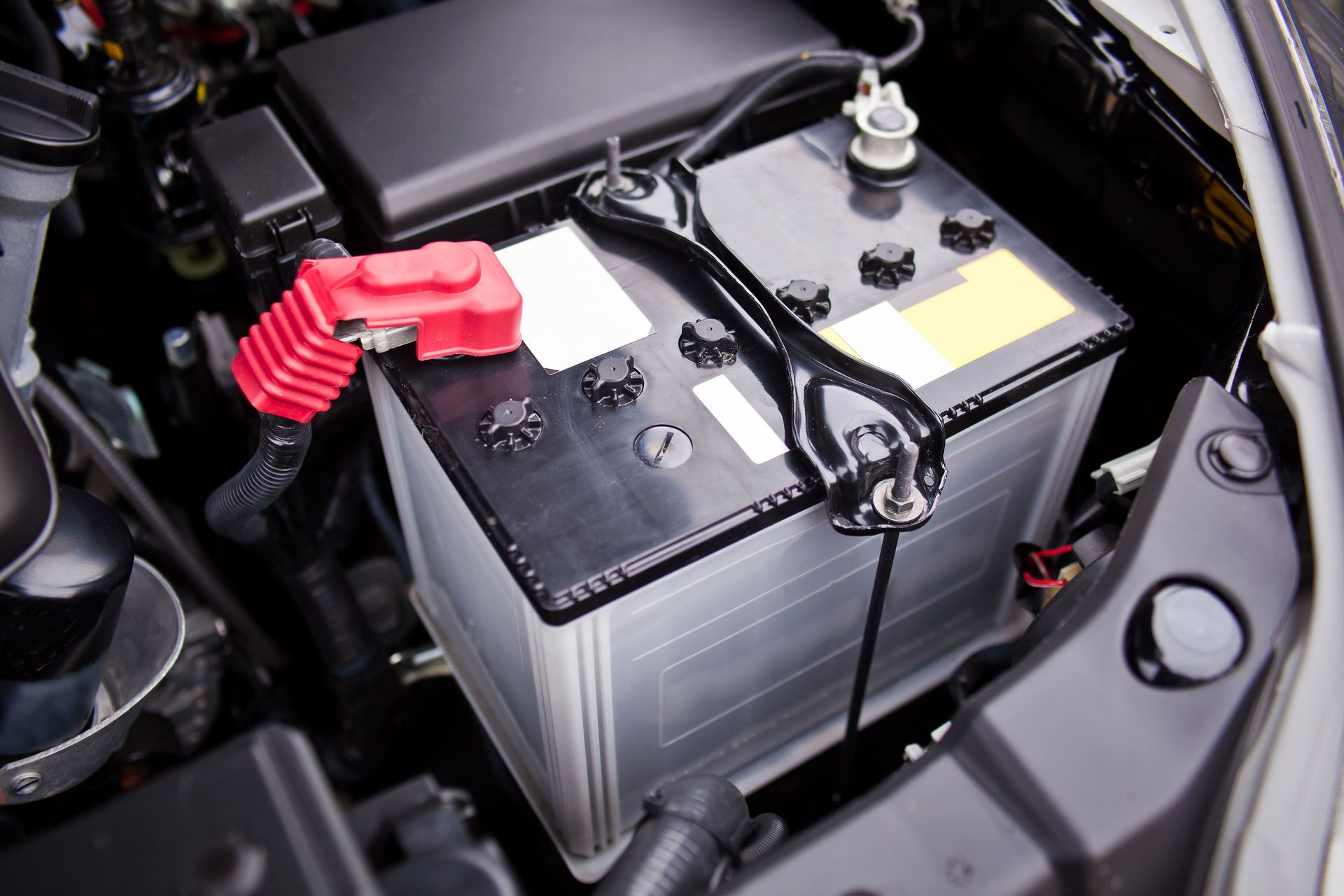
Marine batteries are distinct from car batteries due to their construction and purpose. While car batteries are designed for short, high-power bursts for starting engines, marine batteries are built for sustained energy release. This means they have thicker plates and are often built to endure deeper and more frequent discharge cycles. Such differences ensure that marine batteries can power not only starting engines but also accessories like GPS, fish finders, and lighting. Knowledge of these distinctions helps in maintaining proper care and functionality.
Key Performance Metrics to Monitor
Monitoring key performance metrics of marine batteries is crucial for maintaining their health and longevity. Voltage, current, and temperature are primary indicators of battery performance. Regularly checking voltage ensures that the battery is consistently charged at optimal levels. Temperature monitoring helps to prevent overheating, which can significantly shorten battery life. By keeping an eye on these metrics, you can preemptively address issues before they lead to battery failure.
Understanding Battery Capacity and Ratings
Battery capacity is a fundamental aspect that determines how long a battery can supply energy to your marine vessel. It is usually measured in ampere-hours (Ah) and indicates the amount of current a battery can deliver over a specified period. Understanding amp-hour requirements helps in selecting appropriate batteries that can meet your boat’s electrical needs. Additionally, ratings such as marine cranking amps (MCA) and cold cranking amps (CCA) specify performance in different conditions. Aligning battery capacity and ratings with your vessel's energy demands ensures sustainable performance.
The Role of A Battery Management System
A Battery Management System (BMS) is an integral component of sophisticated marine batteries, particularly for lithium-ion types. It oversees the charging and discharging process to prevent scenarios like overcharging or deep discharge. A BMS optimizes battery performance and maximizes its lifespan by balancing the load across cells and ensuring uniform charge distribution. As technology advances, BMS systems continue to evolve, offering more sophisticated features to maintain battery health. Integration of a BMS is becoming more common as awareness of its benefits increases.
Effective Charging Techniques
Choosing the Right Charger
Selecting the right charger for your marine battery is a critical first step in effective battery maintenance. Chargers should match the battery type and capacity to avoid damage during the charging process. Smart chargers, which can adjust output based on battery requirements, are highly recommended for their ability to avoid overcharging. Different batteries, such as lead-acid or lithium-ion, have specific charging needs, and using an incompatible charger can shorten the battery's life. Investing in a high-quality charger encompasses the first line of defense in battery longevity.
Charging at the Correct Voltage Level
Ensuring that batteries are charged at the correct voltage level is crucial in preventing overcharging or undercharging. Batteries specified with a float voltage and absorb voltage need precise maintenance to remain efficient. Smart chargers often have safety measures to maintain appropriate voltage levels automatically. This precision prevents excessive voltage that can lead to overheating and battery damage. Adhering to proper voltage levels is essential for prolonging battery life and ensuring safety.
Trickle Charging for Battery Longevity
Trickle charging is an essential strategy for maintaining marine battery life over time. It involves charging the battery at a very slow rate, which prevents overcharging while ensuring that the battery remains at full capacity. Trickle chargers are incredibly useful during storage or when the vessel is not in use for extended periods. This technique ensures that the battery is always ready without undergoing strain, thereby extending its operational life. Implementing such sustainable charging practices forms a pivotal component of battery maintenance.
Overcharging a Marine Battery
Overcharging is a significant concern in battery maintenance, as it can lead to reduced battery lifespan or even dangerous conditions. With traditional chargers, there is always the risk of leaving the battery on charge too long, thus stressing its internal components. Smart chargers mitigate this risk through mechanisms that automatically reduce charge once the battery reaches full capacity. Understanding the hazards of overcharging underscores the importance of investing in technology that offers precise charge control. Proactive measures to prevent overcharging contribute directly to battery longevity.
Sustainable Charging Practices
Sustainable charging practices extend beyond just choosing the right charger or maintaining voltage—it's about integrating routine practices that enhance battery life. Regularly checking battery levels and utilizing chargers that can adapt to battery status avoid the pitfalls of improper charging. Sustainable practices also include reducing energy consumption on the vessel, thereby decreasing the frequency and intensity of charging cycles. According to Grandviewresearch.com, the global marine battery market was estimated at USD 775.9 million in 2025, driven by the rapid electrification of marine vessels. As this market expands, efficient and sustainable charging practices will play a vital role in battery management.
Routine Maintenance and Care
Cleaning Your Battery Regularly
Routine cleaning of marine batteries is a simple yet powerful preventive measure. The accumulation of dirt, grime, and salt can lead to corrosion, drastically reducing the battery's efficiency. Regular cleaning with appropriate solutions minimizes these deposits, maintaining smooth performance. Cleaning not only enhances battery lifespan but also facilitates reliable power distribution across the vessel. Ensuring this practice becomes habitual plays a fundamental role in effective battery maintenance.
Inspecting and Tightening Connections
Batteries with loose or corroded connections can lead to significant power loss and inefficiency. Regular inspections of battery terminals and connections ensure they are secure and clean. At each check, it's beneficial to tighten any loose cables to prevent issues such as sparking or overheating. By maintaining continuous vigilance, boat owners can prevent minor problems from escalating. This form of maintenance fosters operational stability and extends the battery's effective lifespan.
Detecting and Fixing Leakages
Leakages in marine batteries signify serious issues that need immediate attention to prevent further damage. Regular inspections for cracks, swelling, or liquid seepage are crucial in early detection. If any leakages are discovered, addressing them with appropriate sealants or replacing the battery may be necessary. Prompt intervention not only preserves battery life but also prevents harm to the vessel's electrical systems. Being proactive about detecting and rectifying leakages ensures operational consistency.
Indicators of a Failing Battery
Identifying early signs of battery failure can save time and money by preventing unexpected breakdowns. Common indicators include difficulty in starting the engine, inconsistent power delivery, and physical abnormalities like swelling or rust. Regular performance tests and checks enable the swift identification and replacement of failing batteries. Knowledge of these indicators allows for preemptive action, minimizing disruption to marine activities. Adopting this knowledge into a routine maintenance strategy maximizes successful battery operation.
By adopting these strategies for charging, storing, and maintaining your marine battery, you will not only extend its life but also enhance your boating experience. Proper care ensures your battery remains reliable and efficient, allowing you to enjoy worry-free time on the water. As the marine battery market continues to grow, integrating these practices becomes essential for maximizing investment and optimizing performance. Armed with this knowledge, mariners can confidently manage their batteries for sustained excellence. Embracing continual learning and evolving technology underpins successful battery management and boating pursuits. Call Art's Auto & Truck Parts Inc today.
























Share On: