
How Long Do Car Batteries Last in 2026? Factors That Affect Battery Life
A reliable battery is essential to everyday vehicle operation. It supplies the electrical energy needed to start the engine and supports numerous electrical systems when the vehicle requires additional power. Because battery performance can decline gradually, drivers may not realize that a problem is developing until starting becomes slower or electrical components begin behaving differently.
The lifespan of car batteries is not identical for every vehicle. Climate, driving patterns, vehicle condition, electrical demand, maintenance, and battery construction can all influence how long a battery continues to perform reliably. Even batteries installed at approximately the same time may age differently when they are exposed to different operating conditions.
Battery demand also remains significant across the automotive industry. According to Yahoo! Finance, the car battery market has experienced considerable growth, with its market size projected to increase from $25.68 billion in 2025 to $27.03 billion in 2026. For vehicle owners, understanding the factors that influence battery longevity can make it easier to recognize changes in performance and determine when professional testing or replacement may be appropriate.
How Battery Construction Affects Battery Life
The design and construction of a battery play an important role in its durability. Different vehicles require batteries with particular electrical capacities, physical dimensions, terminal configurations, and performance characteristics. Selecting a battery that matches the vehicle’s requirements helps ensure that the charging and starting systems can operate as intended.
Battery technology can also affect how a unit responds to repeated starts, electrical loads, vibration, and periods when the vehicle is not driven. Some car batteries are designed for conventional starting demands, while others are engineered to accommodate vehicles with more extensive electrical requirements or frequent cycling.
How Climate Conditions Affect Battery Life
Weather can have a significant influence on battery performance. Extreme temperatures place additional stress on the chemical processes occurring inside a battery, although hot and cold conditions affect performance in different ways.
High temperatures can accelerate internal chemical activity and contribute to faster deterioration. Heat under the hood, combined with hot outdoor conditions, may increase stress on battery components over time. Drivers in consistently warm climates may therefore experience battery aging differently from drivers in areas with milder weather.
Because of these environmental effects, the lifespan of car batteries should be considered in the context of local climate rather than viewed as a fixed period that applies equally everywhere.
How Driving Habits Affect Battery Life
The way a vehicle is driven can influence how effectively its battery maintains its charge. Starting the engine requires a substantial burst of electrical energy. Once the vehicle is operating, the charging system replenishes the energy that was used during startup while also supporting the vehicle’s electrical needs.
Frequent short trips may create conditions in which the battery does not have sufficient operating time to recover fully between starts. When that pattern occurs repeatedly, the battery may spend more time at a lower state of charge. Longer, consistent drives can create different charging conditions, although battery health still depends on the overall condition of the vehicle’s electrical system.
Long periods of inactivity can also affect car batteries. Even when a vehicle is parked, certain electronic systems may continue drawing small amounts of power. Vehicles with numerous electronic features may have greater background electrical demands than simpler vehicles. When a vehicle remains unused for extended periods, these ongoing demands can gradually reduce the available charge.
How Electrical Demands Affect Battery Life
Modern vehicles rely on extensive electrical systems. Lighting, climate controls, entertainment systems, safety features, communication technology, control modules, and convenience features may all require electrical power. While the charging system is designed to support these components during normal operation, increased electrical demand can contribute to the overall workload placed on the battery.
Accessories can also influence battery performance, particularly when electrical equipment operates while the engine is off. If power consumption exceeds what the battery can comfortably provide, repeated discharge can contribute to declining performance over time.
Electrical problems elsewhere in the vehicle may have an effect as well. An abnormal power draw can continue consuming energy when the vehicle is parked, while charging-system problems may prevent the battery from receiving an adequate charge during operation. In these situations, replacing car batteries without identifying the underlying electrical issue may not fully resolve the problem.
Professional testing can help distinguish between a battery that has reached the end of its useful service life and a problem involving another part of the starting or charging system.
How Vehicle Condition Affects Battery Life
Battery performance is closely connected to the condition of the surrounding electrical and mechanical systems. A battery does not operate independently. It works with the starter, alternator, wiring, terminals, and other components whenever the vehicle starts and runs.
Corrosion, loose connections, damaged cables, or charging-system irregularities can interfere with the movement of electrical current. A battery may appear weak when the actual issue involves resistance or another fault elsewhere in the system. Conversely, a deteriorating battery can place additional strain on other starting and charging components.
Physical conditions also matter. Excessive vibration can place stress on internal battery components if the battery is not secured properly. Contamination or corrosion around connections can interfere with dependable electrical contact. For these reasons, evaluating car batteries as part of the broader vehicle system provides more useful information than considering the battery alone.
How Warning Signs Affect Battery Life
Battery deterioration does not always cause an immediate failure. Drivers may notice subtle changes before a battery becomes unable to start the vehicle. Slower cranking, intermittent starting difficulties, unusual electrical behavior, or warning indicators may suggest that the battery or another electrical component requires attention.
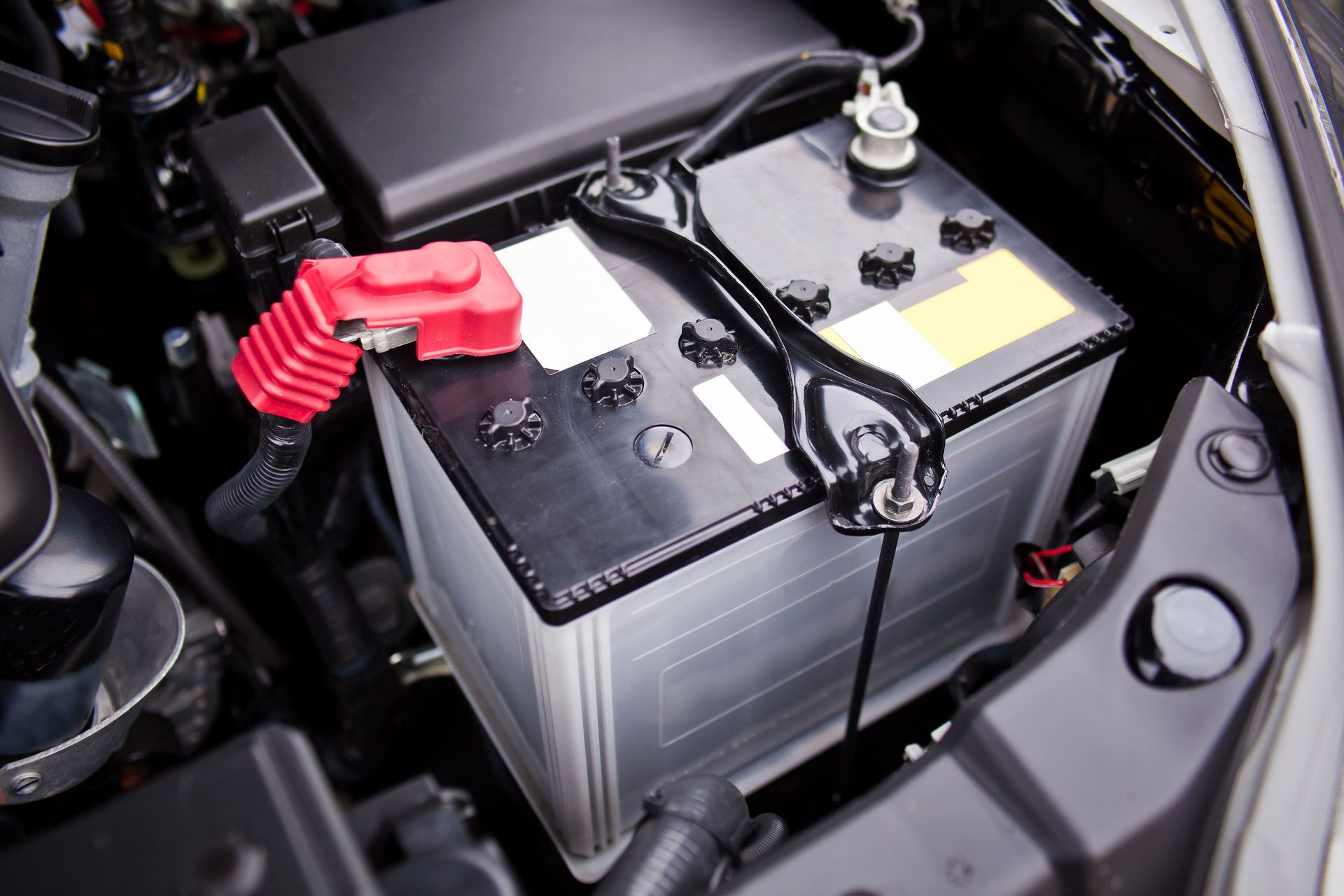
Changes in exterior condition can also warrant professional inspection. A battery that appears damaged, distorted, leaking, or heavily corroded should not be ignored. Because several electrical problems can produce similar symptoms, visual observations alone cannot always identify the cause.
Testing helps provide a clearer picture of battery condition. Rather than waiting for car batteries to stop functioning completely, drivers can have performance evaluated when symptoms emerge or when there is uncertainty about the battery’s condition. This approach can help identify whether the battery itself is deteriorating or whether another part of the electrical system deserves attention.
How Professional Testing Affects Battery Life
Professional battery testing can provide useful information about available capacity and starting performance. Technicians can evaluate battery condition alongside relevant components of the starting and charging system, helping to determine whether declining performance originates with the battery or elsewhere in the vehicle.
Testing can be particularly useful before periods of extreme weather or when a vehicle has developed inconsistent starting behavior. It may also help when the age or service history of the battery is uncertain. Because performance can vary according to climate, driving habits, vehicle type, and electrical demand, condition-based evaluation is often more informative than relying exclusively on age.
When replacement becomes necessary, proper battery selection is equally important. Car batteries should match the specifications and electrical requirements of the vehicles in which they are installed. Using the appropriate type helps support reliable operation and compatibility with the vehicle’s charging system.
How Informed Decisions Support Battery Life
There is no single lifespan that applies to every vehicle battery under every condition. Heat, cold, driving frequency, trip length, electrical demand, battery construction, vehicle condition, and charging performance can all influence how quickly a battery ages. Paying attention to changes in starting and electrical behavior can help drivers recognize when professional evaluation may be useful.
Understanding these influences also helps vehicle owners avoid viewing battery replacement as an isolated maintenance decision. The battery functions as part of a larger electrical system, so identifying the reason for declining performance is important when determining the appropriate response.
How Professional Support Simplifies Battery Replacement
When your vehicle needs battery-related assistance, professional guidance can help you identify a suitable replacement and better understand the condition of your vehicle’s electrical system. At Art’s Auto & Truck Parts Inc, we can help you evaluate your options and find components suited to your vehicle’s requirements. Contact us to learn more about available battery and automotive parts solutions.


























Share On: